Mud Shale Shaker Manufacturer | Shale Shaker Supplier
TR is China Shale Shaker Manufacturer and Shale Shaker Supplier More »
Drilling Shale Shaker | Drilling Shale Shaker Manufacturer
Drilling Shale Shaker | Drilling Shale Shaker Manufacturer More »
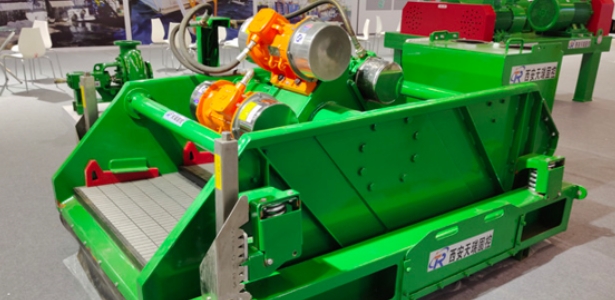
Mongoose Shale Shaker
TR Solids Control is Mongoose Shale Shaker Supplies and Mongoose Shale Shaker Screen Supplies. More »
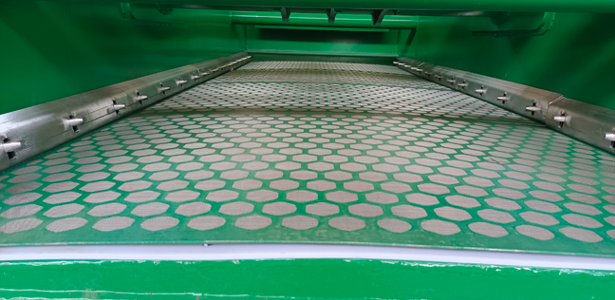
Derrick Shakers | Derrick Shakers Supplier
Derrick Shakers are Drilling Linear Shale Shaker,TR is Derrick Shaker Supplier. More »
Hiperpool Shaker Factory: What Manufacturers Can Provide
When searching for a Hiperpool shaker factory, buyers usually want more than a basic equipment supplier. A professional factory should provide reliable shale shaker manufacturing, technical support, replacement parts, customization and complete solids control solutions.
Hiperpool shaker is designed to separate drilled solids from drilling fluid during oil and gas drilling operations. As one of the primary solids control machines, the shale shaker can help remove drill cuttings while recovering drilling fluid for continued circulation.
What Is a Hiperpool Shaker Factory?
Hiperpool shaker factory is a manufacturer specializing in the design, production and supply of Hiperpool-type shale shakers and related solids control equipment.
Professional manufacturer may provide complete equipment manufacturing, screen systems, motors, spare parts, technical support and customized configurations. For example, available Hiperpool shaker configurations can include four-screen designs, linear motion vibration systems and adjustable deck angles.
For international drilling contractors, choosing a factory directly can also simplify communication, technical confirmation, quality inspection and spare-parts supply.
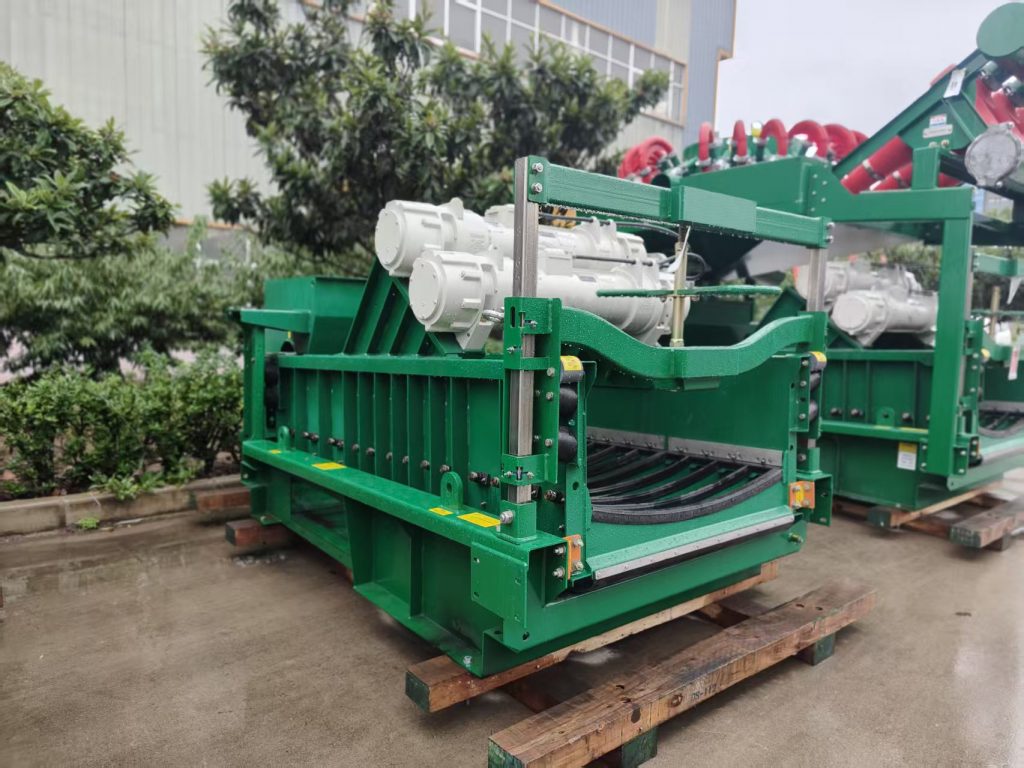
Hiperpool Shaker
What Products Can a Hiperpool Shaker Factory Supply?
Professional factory can supply different types of equipment for drilling fluid solids control.
The main product is the Hiperpool Shale Shaker, which is normally installed at the first stage of solids separation. It removes relatively large drill cuttings from drilling fluid before the mud enters downstream equipment.
Depending on project requirements, manufacturers may also supply:
- Hiperpool shale shakers
- Shale shaker screens
- Replacement screen tensioning systems
- Vibrating motors
- Springs and bearings
- Mud cleaners
- Desanders and desilters
- Centrifugal pumps
- Mud agitators
- Complete solids control systems
This equipment can be integrated into oil and gas drilling, HDD, geothermal drilling and other drilling-fluid treatment applications.
Why Choose a Professional Hiperpool Shaker Manufacturer?
The quality of a shale shaker directly affects solids separation performance and drilling fluid recovery. A professional Hiperpool shaker manufacturer should therefore have appropriate production capabilities and quality-control procedures.
Important factors include material inspection, welding quality, vibration testing, screen compatibility and final equipment testing.
Some manufacturers also provide API-related documentation, factory inspection and pre-shipment inspection services for international customers. These services can help buyers verify equipment specifications before shipment.
Hiperpool Shaker Customization
Different drilling projects have different flow rates, mud properties and installation requirements. Therefore, a Hiperpool shaker factory should be able to provide customized configurations.
Customization may include:
- Screen configuration
- Motor specifications
- Deck adjustment
- Electrical control system
- Equipment dimensions
- Explosion-proof requirements
- Painting and surface treatment
- Spare-parts packages
For example, a Hiperpool-4 model listed by a Chinese manufacturer uses four screens, linear motion and dual vibration motors, with specifications designed for oil and gas solids-control applications.
Hiperpool Shaker Factory Quality Control
Quality control is an important consideration when purchasing oilfield equipment from overseas.
Reliable factory should inspect raw materials and key components before production. The shaker frame, welding structure, vibration system and screen installation should be checked during manufacturing.
Before shipment, manufacturers may conduct equipment running tests to verify vibration stability, mechanical performance and overall operation.
For replacement screens and components, compatibility is equally important. Correct screen dimensions and tensioning systems can help maintain separation efficiency and reduce unnecessary downtime.
Applications of Hiperpool Shakers
Hiperpool shakers are primarily used for drilling fluid solids control.
Typical applications include:
Oil and Gas Drilling:
The shaker separates drill cuttings from drilling mud at the first stage of solids control.
Shale Gas Drilling:
High-flow drilling systems require efficient solids removal and stable mud treatment.
HDD Projects:
Horizontal directional drilling systems can use shale shakers for drilling mud recycling and cuttings separation.
Geothermal Drilling:
The shaker can be integrated into drilling-fluid treatment systems for geothermal projects.
Properly configured shale shaker can also work together with mud cleaners, centrifuges, pumps and other solids control equipment to form a complete treatment system.
How to Choose a Hiperpool Shaker Factory?
When evaluating a supplier, buyers should compare several factors rather than focusing only on the equipment price.
First, check the manufacturer’s production experience and technical capabilities. Second, confirm the treatment capacity, screen configuration, motor power and vibration parameters. Third, ask about replacement screens and long-term spare-parts availability.
Buyers should also check quality certificates, testing procedures, inspection services, delivery capability and after-sales technical support.
For international projects, communication and customization capability are especially important because the equipment may need to match an existing solids control system.
Last But Not Least
Professional Hiperpool shaker factory should offer more than a single shale shaker. It should provide equipment manufacturing, customization, replacement parts, quality control and technical support for different drilling applications.
For buyers looking for a Hiperpool shaker supplier, comparing manufacturing capability, product specifications, quality control, spare-parts availability and technical service can help establish a suitable long-term supply relationship.
How to Choose a Hiperpool Shaker Supplier | Buying Guide
When purchasing oilfield solids control equipment, choosing the right Hiperpool shaker supplier is an important step. A shale shaker operates continuously during drilling and directly affects drilling fluid treatment and solids removal. Therefore, buyers should evaluate more than the initial equipment price.
But how can you identify a suitable supplier? What technical specifications should you compare? And what services should a professional manufacturer provide?
This guide answers these questions and provides practical points to consider before placing an order.
What Is a Hiperpool Shaker?
A Hiperpool shaker is a type of shale shaker used in drilling fluid solids control systems. It uses vibration and screen technology to separate drilled solids from drilling fluid.
The separated drilling fluid can be returned to the mud circulation system, while the removed solids can be transferred to subsequent treatment equipment. This process helps improve drilling fluid management and supports efficient solids control.
Because shale shakers are often used in demanding oilfield environments, equipment reliability and correct configuration are important considerations.
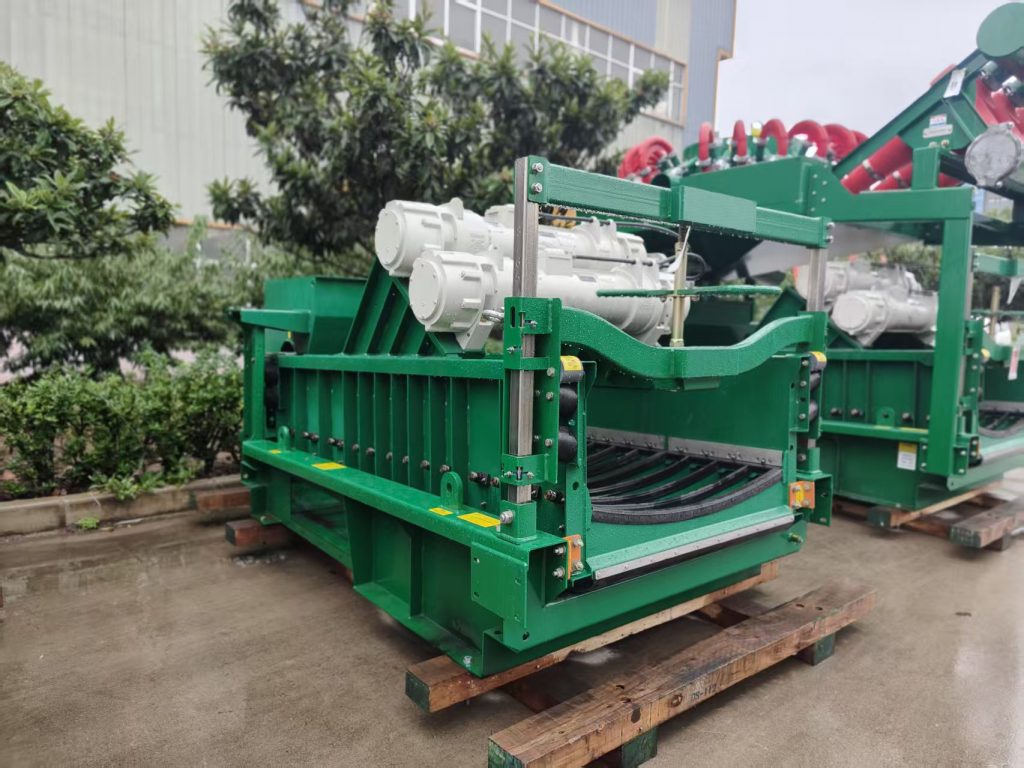
Why Is the Supplier Important?
A qualified supplier does more than manufacture the equipment. The supplier should understand the customer’s drilling conditions and recommend a suitable configuration.
Different drilling projects may have different mud flow rates, solids concentrations, screen requirements, power supplies, and installation conditions. A professional Hiperpool shaker supplier should be able to evaluate these requirements before recommending a model.
The supplier’s engineering capability can also affect equipment customization, system integration, spare parts, and technical support.
What Should You Check When Choosing a Hiperpool Shaker Supplier?
1. Manufacturing Experience
First, check the supplier’s experience in manufacturing shale shakers and solids control equipment.
A manufacturer with practical production experience may have a better understanding of equipment structure, vibration systems, screen installation, electrical components, and maintenance requirements.
Buyers can ask for product specifications, factory information, project references, and equipment photographs to better understand the supplier’s manufacturing capabilities.
2. Shale Shaker Performance
Performance should be evaluated according to the actual drilling application.
Important parameters may include:
- Processing capacity
- Screen area
- Vibration characteristics
- Motor configuration
- Separation efficiency
- Deck design
- Feed and discharge arrangement
Do not compare two shale shakers only by appearance. Equipment with similar external designs can have different internal configurations and performance characteristics.
3. Screen Quality
The screen is one of the most important working components of a shale shaker.
Before purchasing, ask about screen type, screen dimensions, mesh options, replacement procedures, and expected service conditions.
A supplier that can provide compatible replacement screens and technical recommendations can help simplify future maintenance.
4. Customization Capability
Oilfield projects often have different technical requirements. A suitable supplier should be able to provide customized solutions when necessary.
Customization may involve:
- Electrical voltage and frequency
- Explosion-proof requirements
- Skid dimensions
- Feed and discharge connections
- Control systems
- Screen configuration
- Equipment layout
For complete solids control systems, the shaker may also need to work together with mud cleaners, desanders, desilters, vacuum degassers, centrifuges, pumps, and mud tanks.
5. Quality Control
Quality control is another key factor when selecting a Hiperpool shaker supplier.
Ask the supplier about material inspection, welding quality, assembly procedures, electrical testing, vibration testing, and final equipment inspection.
Professional manufacturers should have documented quality-control procedures and should be able to provide relevant inspection or testing documents when required.
6. Delivery and Packaging
For international oilfield projects, delivery time and transportation protection are also important.
Before ordering, confirm the production lead time, packaging method, loading requirements, shipping dimensions, and documentation.
Proper export packaging can help protect the equipment during long-distance transportation.
7. Spare Parts and After-Sales Service
A shale shaker requires regular inspection and maintenance. Screens, motors, bearings, electrical components, and other parts may require replacement during the equipment’s service life.
Therefore, ask whether the supplier can provide spare parts and technical assistance after delivery.
A supplier with responsive communication can make troubleshooting and maintenance more convenient for overseas customers.
Should You Choose the Cheapest Hiperpool Shaker Supplier?
Price is an important purchasing factor, but it should be evaluated together with technical specifications and service.
A lower quotation may exclude certain components, spare parts, control systems, or technical services. Conversely, a higher quotation does not automatically mean better equipment.
The better approach is to compare the complete technical and commercial package, including equipment configuration, capacity, screens, motors, control system, spare parts, warranty, delivery, and after-sales support.
What Information Should You Send to a Supplier?
To receive an accurate quotation, buyers should provide as much project information as possible.
Useful information includes:
- Required mud flow rate
- Drilling application
- Drilling fluid type
- Expected solids loading
- Power supply
- Screen requirements
- Hazardous-area requirements
- Number of units
- Installation conditions
- Required accessories
With this information, the supplier can recommend an appropriate configuration instead of providing a generic quotation.
How Can You Compare Different Suppliers?
Create a simple comparison based on several categories:
Product: specifications, capacity, screens, motors, and construction.
Engineering: customization, system integration, and technical documentation.
Quality: inspection, testing, materials, and manufacturing procedures.
Commercial: price, payment terms, delivery time, packaging, and warranty.
Service: spare parts, technical support, installation assistance, and communication.
This approach allows buyers to make a more informed purchasing decision based on their actual project requirements.
Last but not least
Choosing a Hiperpool shaker supplier requires more than searching for the lowest price. Buyers should consider manufacturing experience, shale shaker performance, screen quality, customization capability, quality control, delivery, spare parts, and after-sales service.
Professional supplier should be able to provide clear technical information and recommend a suitable configuration according to the drilling application.
Before purchasing, request a detailed quotation and technical specification sheet, then compare suppliers based on the complete solution rather than price alone.
How to Choose China Hiperpool Shaker for Oilfield Drilling
Choosing the right shale shaker is important for maintaining efficient drilling fluid separation and stable solids control performance. For buyers searching for a China Hiperpool Shaker, the challenge is not simply finding a low-price machine. The shaker should match the drilling flow rate, mud properties, screen requirements, installation conditions, and long-term maintenance plan.
Hyperpool-type shale shaker is generally used as primary solids control equipment to separate drilled cuttings from drilling fluid. Its performance directly influences fluid recovery, downstream equipment protection, waste handling, and overall drilling efficiency.
So, how should you choose a China Hiperpool Shaker?
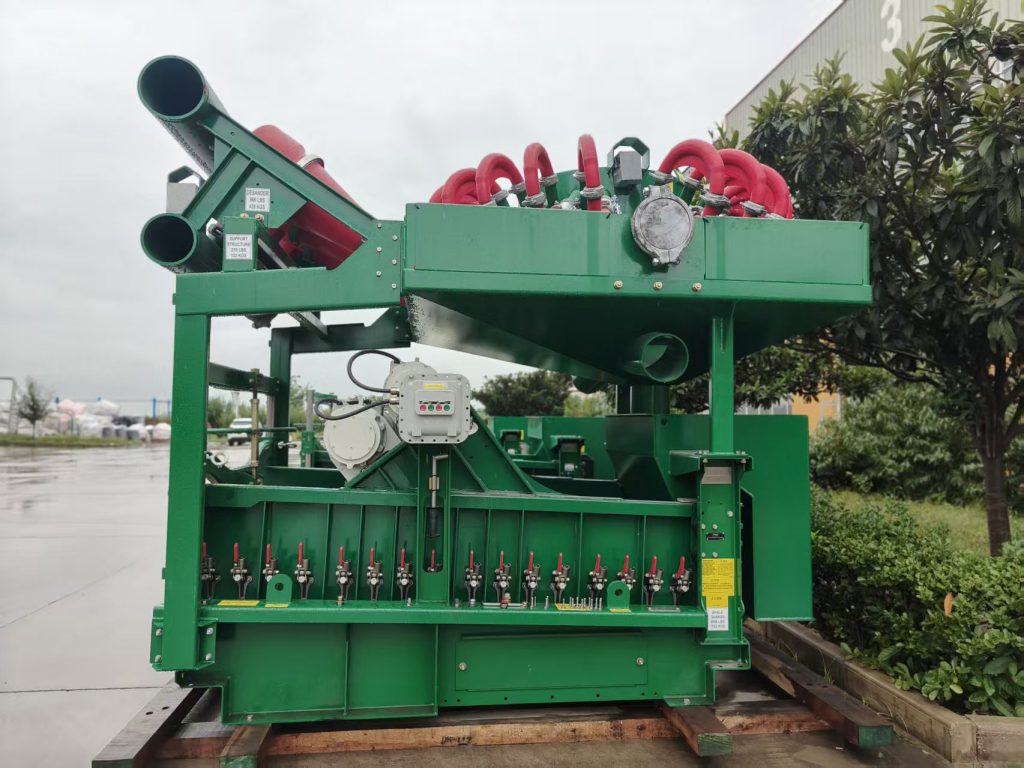
Hiperpool Shaker
1. Check the Required Processing Capacity
The first factor is processing capacity.
Before purchasing a China Hiperpool Shaker, determine the actual drilling fluid circulation rate of your rig. A shaker with insufficient capacity may cause excessive fluid loading, screen flooding, poor separation, and unstable operation.
For example, suppliers may offer different processing capacities according to shaker configuration, drilling fluid density, solids loading, and screen selection. Therefore, buyers should not compare capacity figures without checking the operating conditions behind those figures.
The best practice is to provide the manufacturer with your expected flow rate, mud weight, mud type, drilled solids characteristics, and drilling depth. The manufacturer can then recommend a suitable configuration.
2. Select the Right Shale Shaker Screen
The screen is one of the most important working components of a shale shaker.
A suitable Hiperpool Shale Shaker should use screens that match the required separation performance and drilling fluid characteristics. API RP 13C is commonly used as an industry standard for physical testing and labeling of shaker screens.
Different screen mesh sizes provide different separation results. A finer screen can remove smaller solids, but it may also reduce flow capacity or increase the risk of screen plugging under certain conditions.
Therefore, buyers should consider:
- API screen designation
- Mesh size
- Screen construction
- Effective screening area
- Screen replacement method
- Screen service life
- Compatibility with the shaker frame
Pyramid-style screens can provide a larger effective screening area than conventional flat screens, which can be beneficial when high throughput is required.
3. Compare Vibration Performance
Vibration performance directly affects solids conveyance and separation efficiency.
A Hyperpool-type shaker generally uses linear-motion vibration technology. The vibration force, amplitude, motor configuration, and operating angle should be evaluated according to the drilling application.
For example, available Hyperpool configurations may use two vibration motors and provide adjustable deck angles. Some commercial specifications list G-force levels around 7 G or higher depending on configuration.
When comparing a China Hiperpool Shaker with other models, do not look only at the motor power. Check the complete vibration system, including:
- Vibration force
- Motor reliability
- Bearing design
- Vibration stability
- Deck angle adjustment
- Noise level
- Maintenance requirements
A properly matched vibration system helps maintain stable solids transport while protecting the equipment from unnecessary mechanical stress.
4. Consider the Drilling Mud Type
The drilling fluid used in your project is another important factor.
A China Hiperpool Shaker may be configured for different drilling applications, including water-based mud, oil-based mud, synthetic-based mud, and other drilling fluid systems.
However, the same screen configuration should not automatically be used for every mud system.
Mud viscosity, density, temperature, solids concentration, and particle size distribution can significantly affect shaker performance. Oil-based mud may also require specific operating and environmental considerations.
Before ordering, provide the manufacturer with detailed mud parameters so the screen configuration and shaker operating conditions can be properly selected.
5. Evaluate Screen Replacement and Maintenance
Maintenance cost is an important part of the total cost of ownership.
A shale shaker may operate continuously for long periods in demanding oilfield environments. Screen replacement, vibration motor inspection, spring inspection, bearing condition, and structural checks should therefore be considered before purchasing.
A quick-change screen design can reduce maintenance downtime. Some Hyperpool configurations use screen systems designed for fast replacement, helping drilling crews reduce equipment downtime.
When selecting a China Hiperpool Shaker, ask the supplier:
- How long does screen replacement take?
- Are replacement screens readily available?
- Are motors and spare parts standard?
- Can the supplier provide maintenance instructions?
- Is technical support available after installation?
A competitive purchase price is useful, but easy maintenance can provide greater savings over the equipment’s operating life.
6. Check Equipment Compatibility
If the shaker will replace an existing unit, compatibility should be carefully checked.
Important dimensions include the overall footprint, screen size, inlet and outlet arrangement, discharge configuration, electrical requirements, and installation position.
For example, Hyperpool systems are available in different configurations, including single, dual, and triple arrangements. Modular designs can help drilling contractors adapt solids control equipment to different rig layouts.
For replacement projects, provide drawings, photographs, existing shaker model information, and installation dimensions to the China manufacturer. This can reduce the risk of receiving equipment that cannot be installed directly.
7. Compare the Supplier, Not Only the Price
One of the biggest mistakes when purchasing a China Hiperpool Shaker is comparing only the initial quotation.
Professional supplier should be able to provide:
- Complete technical specifications
- Product drawings
- Screen information
- Motor specifications
- Quality inspection documents
- Testing information
- Spare parts support
- Installation guidance
- After-sales technical service
The total purchase decision should consider equipment quality, delivery time, spare parts availability, technical support, warranty, and long-term operating cost.
8. Why Consider a China Hiperpool Shaker?
Chinese manufacturers can offer customized shale shaker solutions for different drilling applications. Depending on the supplier, buyers may be able to request different screen configurations, electrical standards, motor options, deck arrangements, colors, dimensions, and supporting equipment.
A China-manufactured Hyperpool-compatible shaker can therefore be considered when the buyer wants to balance performance, customization, spare parts availability, and purchasing cost.
However, buyers should always verify technical specifications rather than choosing equipment based solely on the product name.
9. Final Checklist Before Ordering
Before purchasing a China Hiperpool Shaker, confirm the following:
- Required drilling fluid flow rate
- Mud type and density
- Expected solids loading
- Required screen mesh or API designation
- Shaker processing capacity
- Vibration mode and G-force
- Deck angle adjustment
- Motor and electrical requirements
- Screen replacement method
- Installation dimensions
- Spare parts availability
- Warranty and technical support
In short, the best China Hiperpool Shaker is not necessarily the cheapest model. It is the machine that provides the right combination of processing capacity, solids separation, screen performance, reliability, maintenance convenience, and total operating cost.
For oilfield drilling projects, buyers should send actual operating parameters to the manufacturer and request a technical recommendation before placing an order. This approach can help ensure that the selected Hiperpool Shale Shaker works efficiently within the complete solids control system.
Hiperpool Shaker Price: What Factors Affect the Cost?
If you are searching for “hiperpool shaker price,” you may be wondering why the price of a Hiperpool shaker can vary significantly between suppliers and configurations. Is the price based only on the shaker itself? What specifications should you compare before making a purchase? This article answers the most common questions buyers may have.
What Is a Hiperpool Shaker?
A Hiperpool shaker is a type of oilfield shale shaker designed for solids control during drilling operations. It separates drilled solids from drilling fluid by using vibration and specially designed screens.
The recovered drilling fluid can then return to the circulation system, while separated solids are discharged for further treatment or disposal.
How Much Does a Hiperpool Shaker Cost?
There is no single fixed Hiperpool shaker price. The final cost depends on several factors, including the model, processing capacity, screen configuration, motor specifications, control system, materials, and supplier requirements.
For this reason, buyers should request a detailed quotation based on their actual drilling application instead of comparing prices based only on the product name.
Why Does the Hiperpool Shaker Price Vary?
Several factors can affect the quotation.
1. Processing Capacity
A shaker designed for higher mud flow rates generally requires a larger or more powerful configuration. Higher-capacity equipment may therefore have a higher purchase price.
2. Screen Configuration
Screen type, quantity, mesh size, and replacement requirements can influence the total cost. Since screens are critical consumable components, buyers should also consider long-term operating costs.
3. Motor and Electrical Configuration
Different motor power, voltage, frequency, hazardous-area requirements, and electrical standards may affect the price. This is particularly important for international oilfield projects.
4. Control System
A basic shaker may use a relatively simple control configuration, while an automated system can include PLC control, monitoring functions, alarms, and integration with other solids control equipment.
5. Customized Requirements
Some drilling projects require customized inlet and outlet arrangements, skid dimensions, lifting structures, explosion-proof components, or special materials. These requirements can increase the overall equipment cost.
Is a Lower Hiperpool Shaker Price Always Better?
Not necessarily.
A low purchase price may look attractive, but buyers should also evaluate separation efficiency, processing capacity, screen life, vibration performance, motor quality, maintenance requirements, spare parts availability, and after-sales service.
For oilfield equipment, total operating cost is often more important than the initial purchase price.
What Should Buyers Ask Before Getting a Quotation?
Before requesting a Hiperpool shaker quotation, it is useful to provide the supplier with several technical details:
- Required mud flow rate
- Drilling fluid type
- Expected solids loading
- Screen specification
- Power supply requirements
- Hazardous-area classification
- Number of shakers required
- Required control system
- Installation environment
- Spare parts requirements
Providing accurate information allows manufacturers to recommend a suitable configuration and provide a more reliable quotation.
How Can You Compare Hiperpool Shaker Prices?
Instead of comparing only the quoted price, buyers should compare the complete technical and commercial package.
Ask whether the quotation includes shaker screens, motors, control panels, spare parts, testing, packaging, technical documentation, commissioning support, and warranty service.
Two machines with similar appearances may have very different specifications and long-term operating costs.
Can a Manufacturer Provide a Customized Hiperpool Shaker?
Yes. Oilfield solids control equipment is often customized according to drilling conditions and project requirements.
Manufacturers may provide customized solutions involving processing capacity, screen configuration, electrical components, skid design, control systems, and equipment integration.
What Is the Best Way to Get a Hiperpool Shaker Price?
The best approach is to contact a professional solids control equipment manufacturer and provide your technical requirements.
Instead of asking only “What is the Hiperpool shaker price?”, consider asking:
“What Hiperpool shaker configuration do you recommend for my required mud flow rate, and what is the complete equipment price?”
This approach makes it easier to compare different suppliers and avoid purchasing equipment that does not match your drilling application.
Searching for “hiperpool shaker price” is a good starting point, but price should not be the only purchasing factor. A suitable shale shaker should provide reliable solids separation, stable vibration performance, efficient drilling-fluid recovery, convenient maintenance, and dependable long-term operation.
When comparing suppliers, evaluate technical specifications, equipment configuration, manufacturing quality, operating cost, spare parts, delivery, warranty, and after-sales support together. A slightly higher initial investment may provide better overall value throughout the equipment’s service life.
Hiperpool Shaker Manual Advantages for Efficient Mixing Performance
The Hiperpool Shaker Manual is a widely used mixing device designed for laboratory, industrial, and research environments. It is known for its simple manual operation, stable performance, and cost-effective design. Unlike fully automated systems, the manual version gives users more direct control over the shaking process, making it suitable for precise and flexible applications.This article explores the key advantages of the Hiperpool Shaker Manual and explains why it remains a preferred choice for many professionals.
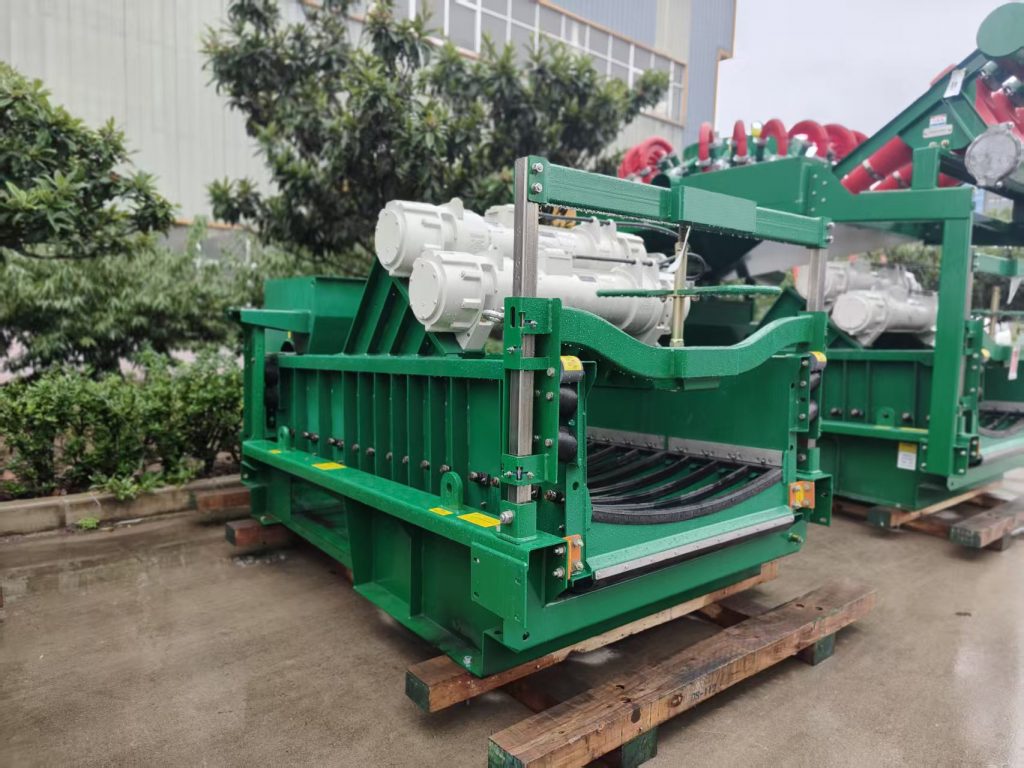
1. High Control and Flexibility
One of the main advantages of the Hiperpool Shaker Manual is the high level of user control. Operators can adjust shaking speed, intensity, and duration based on real-time needs. This flexibility is especially useful in experiments that require gradual adjustments or delicate handling of samples.Manual operation also allows users to immediately stop or modify the process without waiting for automated system delays.
2. Cost-Effective Solution
Compared to automated shaking systems, the Hiperpool Shaker Manual is more affordable both in initial purchase and maintenance. It does not rely on complex electronic systems, which reduces repair costs and downtime.For small laboratories or startups with limited budgets, this device offers a practical and economical solution without sacrificing performance quality.
3. Durable and Long-Lasting Design
Durability is another strong advantage of the Hiperpool Shaker Manual. It is typically built using high-quality materials that can withstand continuous use in demanding environments. The simple mechanical structure reduces the risk of system failure.Because there are fewer electronic components, the machine is less vulnerable to electrical faults, making it a reliable long-term investment.
4. Energy Efficiency
Since the manual shaker does not depend heavily on automated electronic systems, it consumes less energy. Users can operate it only when needed, reducing unnecessary power consumption.This makes it not only environmentally friendly but also cost-efficient in long-term laboratory operations.
5. Easy Maintenance and Operation
The Hiperpool Shaker Manual is designed for ease of use. Even new operators can quickly learn how to control it without extensive training. Maintenance is also straightforward because the structure is simple and accessible.Routine cleaning and basic mechanical checks are usually enough to keep the device in optimal condition.
6. Suitable for Multiple Applications
This shaker is widely used in chemistry labs, biological research, pharmaceutical testing, and industrial quality control. Its versatility allows it to handle different types of samples, including liquids and semi-solid mixtures.Whether for mixing reagents or preparing experimental solutions, the Hiperpool Shaker Manual performs consistently across various tasks.
7. Reliable Performance in Controlled Environments
In controlled laboratory settings, consistency is essential. The Hiperpool Shaker Manual provides stable and repeatable motion, helping researchers achieve accurate results.Its mechanical stability ensures that each shaking cycle maintains uniform intensity, which is critical for experimental accuracy.
The Hiperpool Shaker Manual remains a valuable tool in both scientific and industrial environments. Its advantages—such as cost efficiency, durability, user control, and energy savings—make it a practical choice for many users.While automated systems continue to evolve, manual shakers like the Hiperpool model continue to play an important role where precision, simplicity, and reliability are required.
Hiperpool Shale Shaker Lifespan, Maintenance and Performance Guide
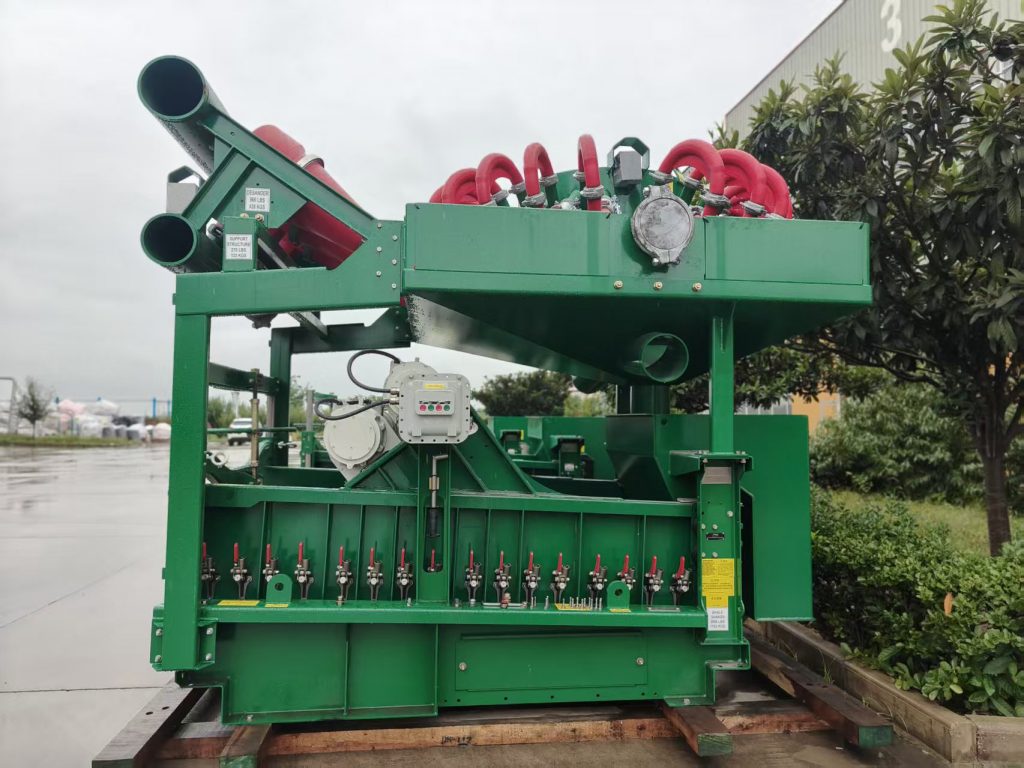
The Hiperpool shaker is widely used in drilling solids control systems, especially in oil and gas operations. Its main function is to separate drilling cuttings from drilling fluid, ensuring efficient recycling of mud. A common question in the industry is: how long does a Hiperpool shaker last?
Typical Lifespan of Hiperpool Shaker
The average lifespan of a well-maintained Hiperpool shaker ranges from 5 to 10 years, while some units can last even longer under optimal operating conditions.
However, the actual shale shaker lifespan depends heavily on:
- Operating environment
- Maintenance frequency
- Quality of replacement parts
- Load and vibration intensit
Key Factors Affecting Shaker Lifespan
Operating Environment
Harsh environments such as offshore drilling or high-temperature desert operations can significantly reduce shaker lifespan.
Maintenance Quality
Regular shale shaker maintenance is the most important factor. Poor lubrication, delayed part replacement, and neglecting screen condition will lead to early failure.
Screen Quality
High-quality screens improve separation efficiency and reduce machine stress, extending overall lifespan.
Vibration System Condition
The vibration motors and bearings are core components. If not properly maintained, they can become the first failure point.
How to Extend Hiperpool Shaker Lifespan
To maximize the shale shaker lifespan, operators should follow these best practices:
Regular Inspection
Check vibration motors, bolts, and screens daily to detect early wear.
Proper Lubrication
Bearings and moving parts must be lubricated according to manufacturer guidelines.
Screen Management
Replace damaged screens immediately to avoid imbalance and vibration damage.
Load Control
Avoid overloading the shaker, which increases stress and shortens lifespan.
Common Problems That Reduce Lifespan
- Continuous overload operation
- Poor-quality spare parts
- Irregular shale shaker maintenance
- Excessive vibration imbalance
These issues not only shorten lifespan but also reduce separation efficiency.
The Hiperpool shaker can deliver long-term performance when properly maintained. Its lifespan largely depends on operational discipline and maintenance quality. With correct shale shaker maintenance strategies, operators can significantly extend equipment life and reduce downtime.
Hiperpool Shakers vs Mongoose Pro Shaker: Performance, Efficiency, and Durability Comparison
In the drilling and solids control industry, shale shakers play a critical role in removing solids from drilling fluids to improve drilling efficiency and reduce equipment wear. Among the most popular options are Hiperpool Shakers and Mongoose Pro Shakers. Both are known for their durability, high performance, and ability to handle demanding drilling environments. This article provides a detailed comparison of these two shaker models to help operators make informed decisions.
Design and Build Quality
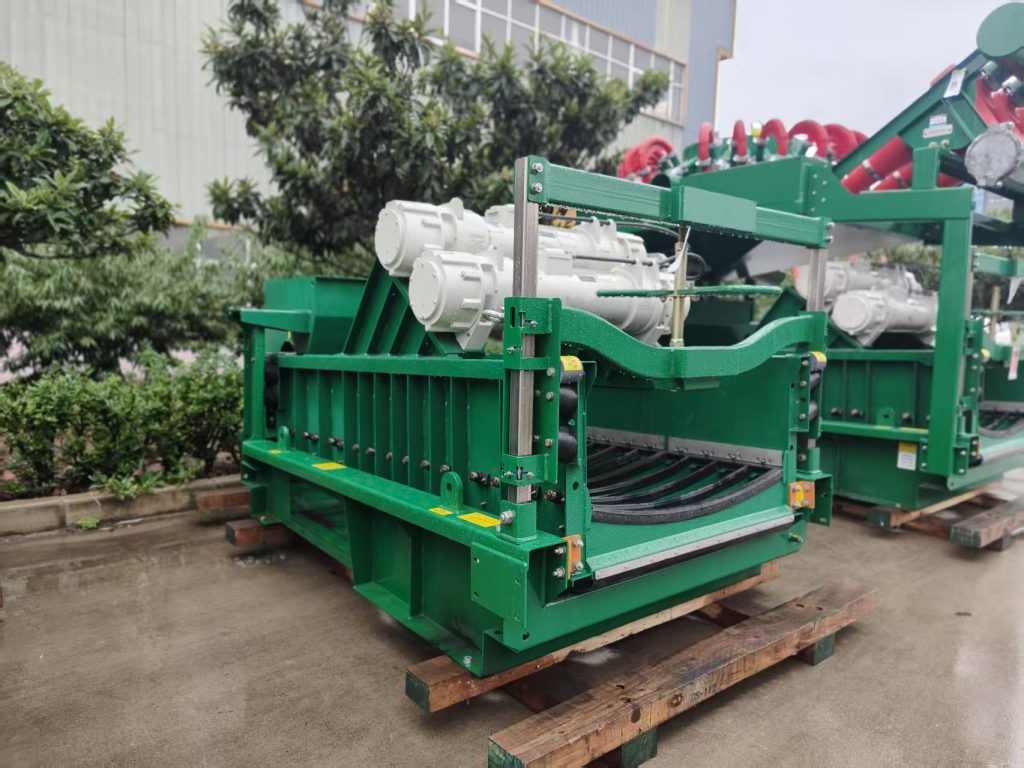
Hiperpool Shakers are renowned for their robust construction, featuring high-strength steel frames and modular shaker decks. The design prioritizes ease of maintenance, quick screen replacement, and vibration stability. The shaker is capable of handling high-capacity mud systems, making it suitable for large-scale drilling operations.
In comparison, the Mongoose Pro Shaker emphasizes a compact design with optimized vibration mechanisms for enhanced solids separation efficiency. While it may be slightly smaller than the Hiperpool, the Mongoose Pro is engineered for precision and durability, often preferred in operations where space is limited.
Shaker Screens and Separation Efficiency
Screen technology is a key differentiator between these two shakers. Hiperpool Shakers utilize a multi-deck design that accommodates a wide range of mesh sizes, ensuring effective removal of fine and coarse solids. The screens are tensioned for minimal blinding and maximum throughput, maintaining consistent drilling fluid properties.
Mongoose Pro Shakers, on the other hand, use high-tensioned composite screens designed for long life and consistent performance. The shaker’s motion pattern promotes rapid solids transport and reduces the risk of media clogging, particularly useful in sticky or viscous mud systems.
Vibration System and Operational Performance
The Hiperpool shaker employs a linear motion system with adjustable vibration parameters, allowing operators to fine-tune the shaker for varying mud densities and solids content. This flexibility improves overall separation efficiency and reduces energy consumption.
The Mongoose Pro Shaker features a balanced elliptical motion mechanism designed for high-frequency vibration with minimal mechanical wear. This makes it highly efficient for continuous drilling operations where high solids removal rates are required.
Maintenance and Serviceability
Both shakers are designed with maintenance in mind. Hiperpool Shakers have modular decks, easy access to motors and bearings, and simplified screen replacement. Downtime is minimized, which is crucial for high-volume drilling projects.
Mongoose Pro Shakers also offer easy maintenance with quick-release screens and centralized lubrication systems. However, its compact design may limit access to some internal components, requiring careful planning during service.
Performance Metrics
| Feature | Hiperpool Shaker | Mongoose Pro Shaker |
|---|---|---|
| Frame Material | High-strength steel | Corrosion-resistant steel |
| Deck Configuration | Multi-deck, modular | Single or double deck options |
| Vibration Type | Linear adjustable | Elliptical high-frequency |
| Screen Compatibility | Wide range of mesh sizes | High-tension composite screens |
| Maximum Flow Capacity | Up to 1000–1200 GPM | Up to 900–1100 GPM |
| Ideal Mud Density | 8–18 ppg | 8–16 ppg |
Applications
Hiperpool Shakers are well-suited for offshore drilling, high-volume land rigs, and operations requiring rapid solids removal. Mongoose Pro Shakers excel in compact rigs, directional drilling, and operations where precise control of solids separation is critical.
Cost and Value Considerations
While Hiperpool Shakers generally come at a higher initial investment due to their larger size and high-capacity design, they provide excellent long-term value through reduced downtime and enhanced separation efficiency. Mongoose Pro Shakers, with a slightly lower price point, offer targeted efficiency and compact performance, making them suitable for operations with space constraints.
Choosing between Hiperpool Shakers and Mongoose Pro Shakers depends largely on operational requirements. If high-capacity separation and robust durability are priorities, Hiperpool Shakers are ideal. For precision, compact design, and consistent performance in limited-space environments, Mongoose Pro Shakers may be the better choice. Understanding the differences in design, vibration mechanism, screen technology, and maintenance needs will help drilling operators optimize efficiency and reduce operational costs.
Hiperpool vs Hyperpool Shaker: Key Differences
In the oil and gas drilling industry, shale shakers play a critical role in the solids control process. They are the first line of defense for removing drilled solids from drilling fluids, helping maintain mud quality and reducing operational costs. Among the most discussed technologies in recent years are the Hiperpool Shaker and Hyperpool Shaker designs.
Although the names are often used interchangeably, many drilling professionals search for the differences between Hiperpool and Hyperpool shale shaker technologies. Understanding their features, advantages, and applications can help operators choose the most efficient solids control equipment for their drilling projects.
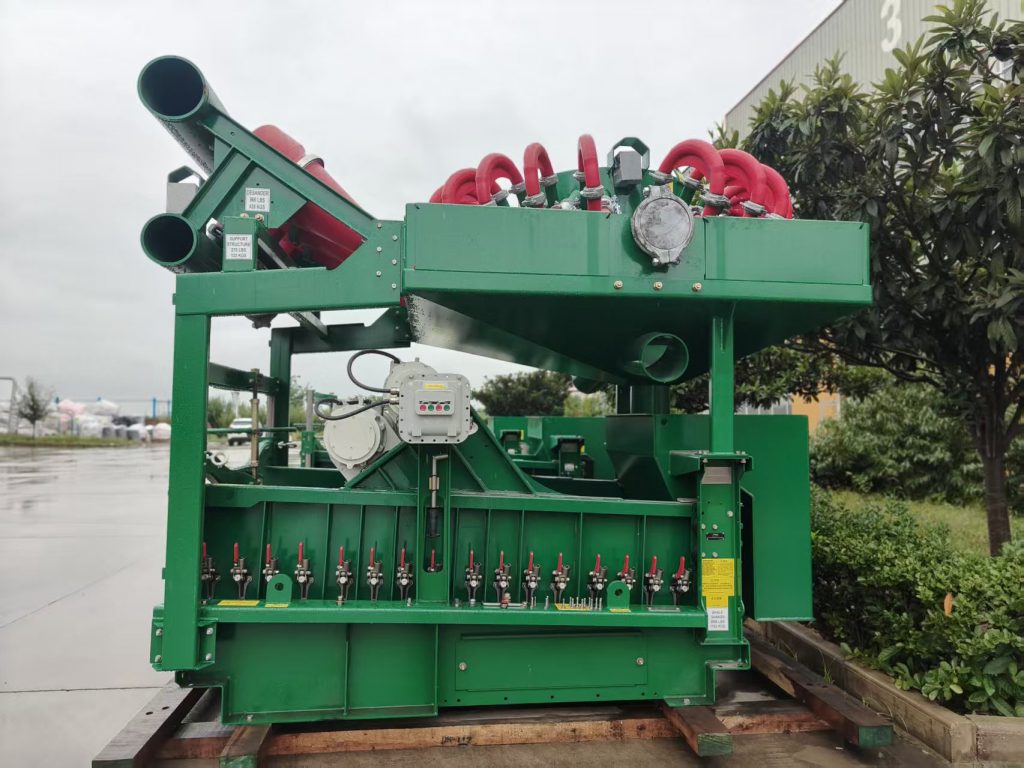
What Is a Shale Shaker?
A shale shaker is a vibrating screening device used to separate drill cuttings from drilling fluid during drilling operations. By removing unwanted solids, the shaker improves drilling fluid performance, extends equipment life, and reduces waste disposal costs.
Modern shale shakers utilize advanced vibration systems, composite screens, and fluid management technologies to maximize solids separation efficiency.
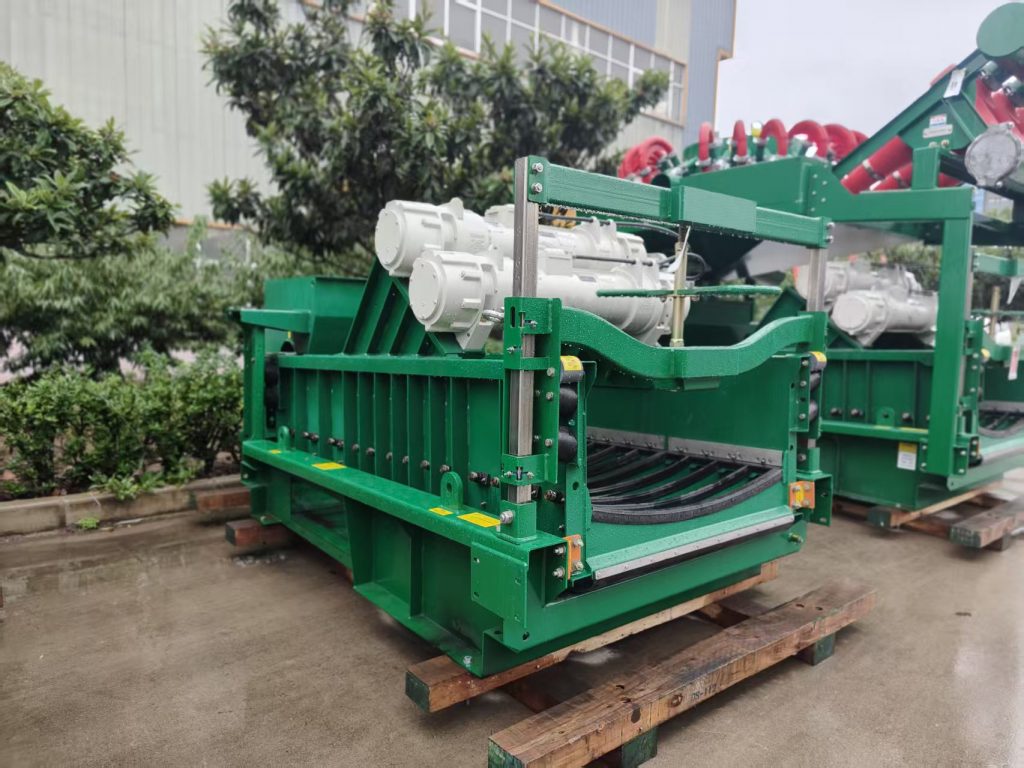
Understanding Hyperpool Shaker Technology
Hyperpool Shaker technology was developed to improve fluid recovery and increase screening capacity. The design typically incorporates:
- Larger screen area
- Enhanced fluid distribution
- Increased throughput capacity
- Improved solids conveyance
- Better drilling fluid recovery
The primary objective of a Hyperpool Shaker is to process more drilling fluid while maintaining high separation efficiency.
Hiperpool Shaker vs Hyperpool Shaker
1. Naming Difference
The term “Hiperpool Shaker” is often an alternate spelling of “Hyperpool Shaker.” In most industry discussions, both terms refer to similar concepts of high-capacity shale vibrating screens.
2. Screening Capacity
Hyperpool Shakers are designed with larger screen decks that allow greater fluid processing volume compared with conventional shale shakers.
Benefits include:
- Higher drilling fluid handling rates
- Reduced bottlenecks
- Improved drilling efficiency
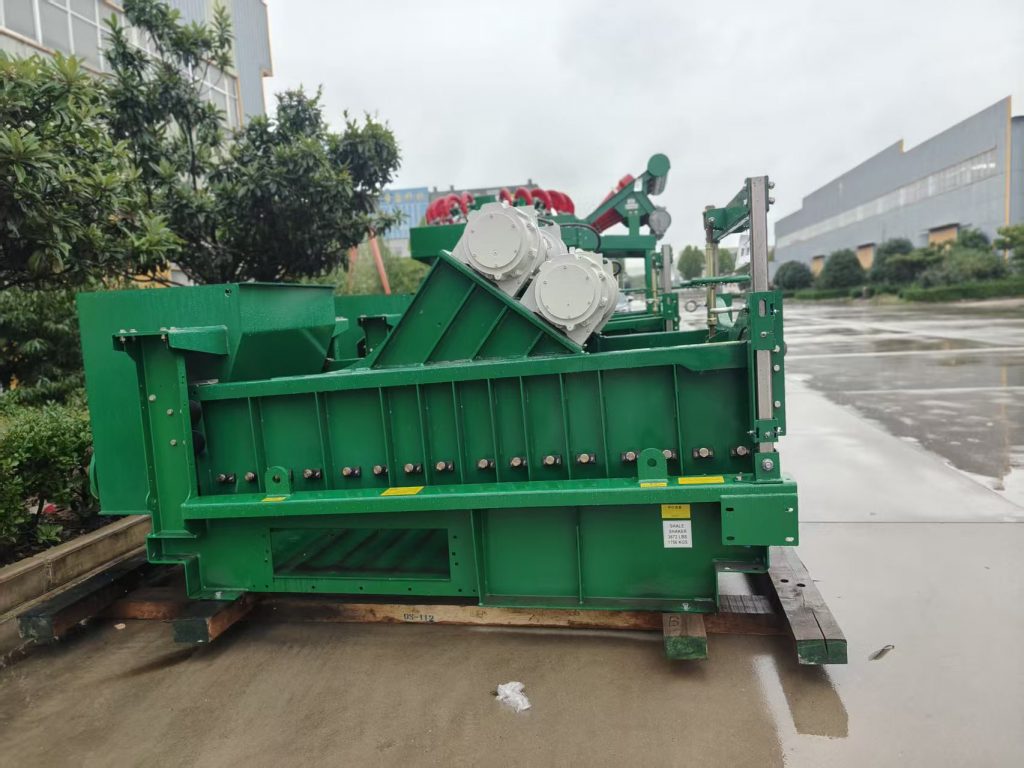
3. Fluid Recovery Performance
One of the biggest advantages of Hyperpool technology is improved fluid recovery.
Advantages include:
- Reduced mud loss
- Lower mud treatment costs
- Improved environmental performance
- Better resource utilization
4. Solids Removal Efficiency
Hyperpool Shakers utilize optimized vibration motion and screen technology to improve solids separation.
Key benefits:
- Cleaner drilling fluids
- Reduced downstream equipment loading
- Enhanced desander and desilter performance
5. Operational Cost Savings
By improving solids control efficiency and reducing fluid loss, Hyperpool Shakers help operators lower overall drilling costs.
Cost-saving factors include:
- Reduced drilling fluid consumption
- Lower waste management expenses
- Less equipment maintenance
- Increased drilling productivity
Advantages of Hiperpool Shale Shakers
Higher Throughput
Hyperpool systems process larger volumes of drilling fluid without sacrificing separation performance.
Enhanced Screen Utilization
The design promotes more uniform fluid distribution across the screen surface, maximizing screen effectiveness.
Improved Environmental Compliance
Better solids separation reduces waste generation and supports environmentally responsible drilling practices.
Reduced Downtime
Efficient solids control helps prevent equipment issues and minimizes unplanned operational interruptions.
Applications of Hiperpool Shakers
Hyperpool Shakers are widely used in:
- Oil and gas drilling
- Horizontal drilling
- Offshore drilling
- Geothermal drilling
- HDD (Horizontal Directional Drilling) projects
- Mining exploration
Their ability to handle large fluid volumes makes them ideal for challenging drilling environments.
Choosing the Right Shale Shaker
When selecting a shale shaker, operators should evaluate:
- Processing capacity
- Screen area
- Vibration performance
- Fluid recovery efficiency
- Maintenance requirements
- Total operating costs
Hyperpool Shakers are often preferred when maximum fluid recovery and high-capacity processing are required.
The comparison between Hiperpool Shaker and Hyperpool Shaker is largely a matter of terminology. In practice, Hyperpool Shaker technology represents an advanced shale shaker design focused on maximizing fluid recovery, increasing throughput, and improving solids control efficiency.For drilling contractors seeking better performance, reduced operational costs, and improved environmental compliance, Hyperpool Shakers offer a proven solution for modern drilling operations. As drilling projects become increasingly demanding, advanced shale shaker technology continues to play a crucial role in maintaining efficient and cost-effective solids control systems.
Hiperpool Shale Shaker Replacement for Hyperpool Shaker – Efficient Drilling Solids Control
In modern drilling operations, effective solids control is essential to maintain drilling efficiency, reduce costs, and protect downstream equipment. The Hiperpool shale shaker has emerged as a highly reliable solution, designed specifically to replace the aging Hyperpool shaker in various oilfield applications. With advanced technology and durable construction, the Hiperpool shale shaker ensures optimal separation of drilling solids and stable operation under harsh conditions.
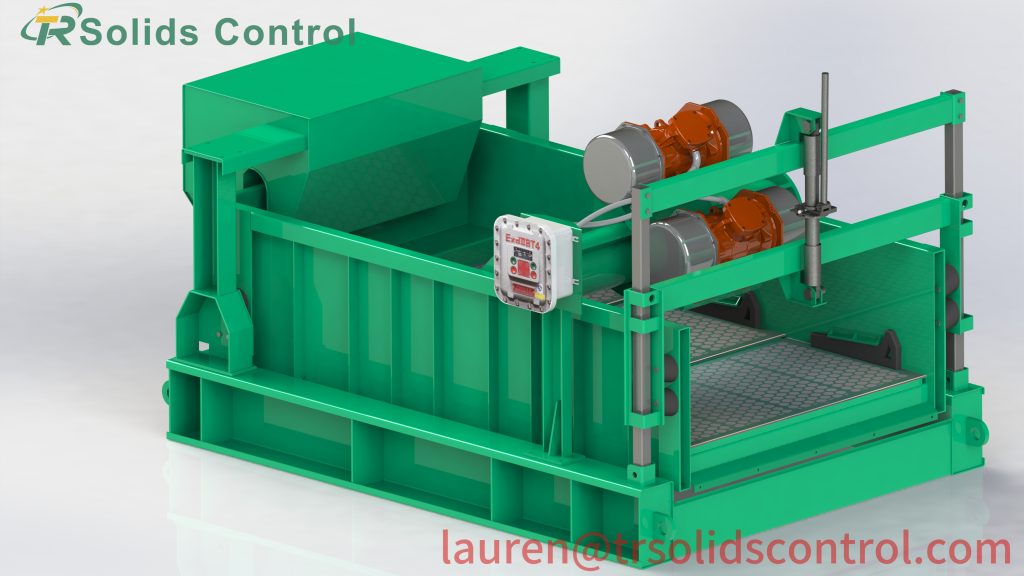
Advantages of Hiperpool Shale Shaker
-
High Separation Efficiency
The Hiperpool shale shaker utilizes a dual-motor vibrating mechanism combined with high-tension screens to maximize solids removal. This ensures the drilling mud maintains its rheological properties and minimizes unnecessary waste. -
Durability and Longevity
Constructed with high-strength steel and reinforced frames, the Hiperpool model withstands extreme vibrations, high temperatures, and abrasive drilling fluids. Compared to older Hyperpool shakers, maintenance intervals are longer, and wear parts are easier to replace. -
Energy Efficiency
Hiperpool shakers are optimized for low power consumption while maintaining high throughput. This translates to cost savings in long-term drilling operations without compromising performance. -
Flexible Installation
Available in both mobile and fixed configurations, the Hiperpool shaker can replace Hyperpool units on existing rigs with minimal downtime. Its modular design allows operators to quickly upgrade components and adapt to specific drilling conditions. -
Enhanced Operator Safety
With improved vibration isolation, noise reduction, and ergonomic access points, the Hiperpool shale shaker ensures safer operation for field personnel.
Technical Specifications
- Model Range: Hiperpool-500, Hiperpool-750, Hiperpool-1000
- Screen Type: Multi-layer composite screens for various mud types
- Vibration Motor: Dual heavy-duty motors with adjustable amplitude
- Capacity: 50–200 m³/hr depending on mud type and flow
- Power Supply: 380V / 50Hz, optional 480V / 60Hz
- Frame Material: Reinforced carbon steel or stainless steel
- Applications: Oil & gas drilling, geothermal drilling, water well drilling
Applications in Drilling Operations
The Hiperpool shale shaker is widely used for:
- Oilfield Drilling: Separating solids from drilling mud to prevent pump wear and maintain mud properties.
- Geothermal Wells: Handling high-temperature drilling fluids with superior heat resistance.
- Mining Operations: Removing abrasive solids from slurries to reduce equipment damage.
- Water Well Drilling: Maintaining clean mud circulation for efficient drilling progress.
Maintenance Guidelines
Routine inspection is critical for reliable performance:
- Check screen tension and replace worn screens as needed.
- Inspect vibration motors and bearings every 500 operating hours.
- Ensure all mounting bolts are tight to prevent excessive vibration.
- Clean mud discharge chutes and covers to avoid blockages.
- Lubricate moving parts per manufacturer instructions.
Environmental Benefits
- Reduces mud loss and waste disposal costs.
- Maintains consistent mud quality, minimizing environmental contamination.
- Lower power consumption compared to traditional Hyperpool shakers.
Replacing an aging Hyperpool shaker with a Hiperpool shale shaker provides operators with improved drilling efficiency, lower maintenance costs, and higher solids separation performance. Its robust construction, energy-saving design, and flexible installation make it a long-term solution for modern drilling operations. By upgrading to Hiperpool, oilfield and industrial operators can optimize their mud management processes, reduce downtime, and achieve safer, more efficient drilling operations.
Advantages of Mud Shale Shaker for Solids Control Systems
Mud shale shaker is one of the most important pieces of equipment in a drilling solids control system. As the first stage of solids separation, it removes large drill cuttings and unwanted solids from drilling fluid before the fluid enters downstream processing equipment.In modern drilling operations, maintaining clean drilling fluid is essential for achieving efficient drilling performance, reducing equipment wear, and lowering operational costs. A high-quality mud shale shaker helps operators achieve these goals by providing reliable and efficient solids control.This article explores the major advantages of mud shale shakers and why they are indispensable in oil and gas drilling, geothermal drilling, mining exploration, and horizontal directional drilling projects.
What Is a Mud Shale Shaker?
Mud shale shaker is a vibrating screening device used to separate drilled solids from drilling fluids. It utilizes vibration motors and shaker screens to remove large particles while allowing clean drilling fluid to pass through.As the primary solids control equipment, the mud shale shaker protects downstream equipment such as desanders, desilters, and centrifuges by reducing the solids load entering these systems.
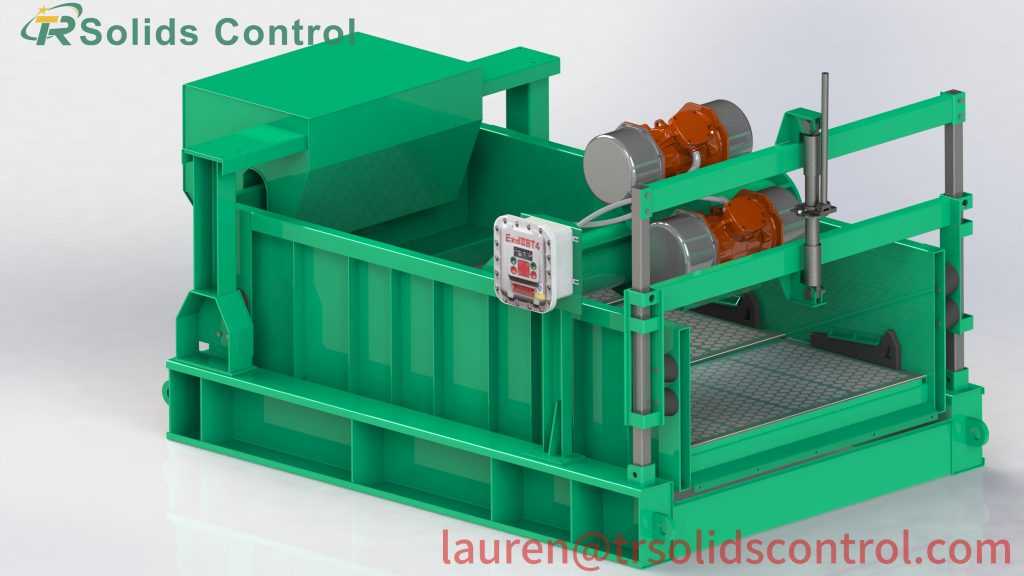
shale shaker
Efficient Solids Removal
The most significant advantage of a mud shale shaker is its ability to remove large solid particles from drilling fluid quickly and efficiently.
Modern shale shakers use advanced vibration technology and high-performance shaker screens to maximize separation efficiency. By removing drill cuttings at the earliest stage, the system prevents excessive solids accumulation and improves overall drilling fluid quality.
Benefits include:
- Better drilling fluid performance
- Reduced solids contamination
- Improved drilling efficiency
- Lower maintenance requirements
Improved Drilling Fluid Recovery
Drilling fluid represents a significant operational investment during drilling projects.
A mud shale shaker helps maximize drilling fluid recovery by separating solids while minimizing fluid loss. More reusable drilling fluid means lower replacement costs and improved resource utilization.
Effective drilling fluid recovery provides:
- Reduced mud consumption
- Lower operating costs
- Improved fluid management
- Better environmental performance
Lower Equipment Wear
Abrasive solids can damage pumps, hydrocyclones, centrifuges, and other drilling equipment.
By removing these solids early in the process, a mud shale shaker significantly reduces equipment wear and extends equipment service life.
Advantages include:
- Reduced repair expenses
- Longer equipment lifespan
- Improved system reliability
- Reduced downtime
Increased Drilling Efficiency
Clean drilling fluid plays a critical role in maintaining optimal drilling conditions.
A properly functioning mud shale shaker helps maintain mud density, viscosity, and rheological properties, enabling smoother drilling operations.
Improved drilling efficiency can result in:
- Faster penetration rates
- Reduced drilling interruptions
- Better hole cleaning
- Enhanced operational productivity
Reduced Operating Costs
One of the most valuable benefits of a mud shale shaker is cost reduction.
By improving solids control and drilling fluid recovery, operators can lower overall project expenses.
Cost-saving benefits include:
- Reduced drilling fluid replacement
- Lower chemical consumption
- Less equipment maintenance
- Reduced labor costs
Over time, these savings can significantly improve project profitability.
Environmental Benefits
Environmental regulations continue to become stricter across the drilling industry.
Mud shale shakers contribute to environmentally responsible drilling by reducing drilling waste and maximizing fluid reuse.
Environmental advantages include:
- Reduced waste discharge
- Improved waste management
- Lower environmental impact
- Better regulatory compliance
Easy Operation and Maintenance
Modern mud shale shakers are designed for simple operation and maintenance.
Features such as quick screen replacement systems, adjustable deck angles, and durable construction help minimize downtime and simplify maintenance procedures.
Key operational benefits include:
- Easy screen replacement
- Reduced maintenance time
- Improved equipment availability
- Enhanced operational safety
Applications of Mud Shale Shakers
Mud shale shakers are widely used in:
Oil and Gas Drilling
Supporting both onshore and offshore drilling operations with effective solids control.
Horizontal Directional Drilling
Providing drilling fluid recycling and solids separation for trenchless construction projects.
Geothermal Drilling
Maintaining drilling fluid quality in high-temperature drilling environments.
Mining Exploration
Improving drilling performance during mineral exploration activities.
Water Well Drilling
Ensuring efficient drilling fluid circulation and solids management.
Why Choose a High-Quality Mud Shale Shaker?
Choosing the right mud shale shaker is essential for achieving optimal solids control performance.
A high-quality shale shaker offers:
- Reliable operation
- High solids removal efficiency
- Long service life
- Low maintenance costs
- Superior drilling fluid recovery
Investing in advanced shale shaker technology helps improve drilling efficiency and maximize return on investment.
The mud shale shaker is the foundation of any effective solids control system. Its ability to remove solids efficiently, recover drilling fluid, reduce equipment wear, and lower operational costs makes it an indispensable component in modern drilling operations.Whether used in oil and gas drilling, geothermal projects, HDD applications, or mining exploration, a high-performance mud shale shaker delivers significant operational and economic benefits. For companies seeking reliable solids control solutions, investing in a quality mud shale shaker is a smart and cost-effective decision.